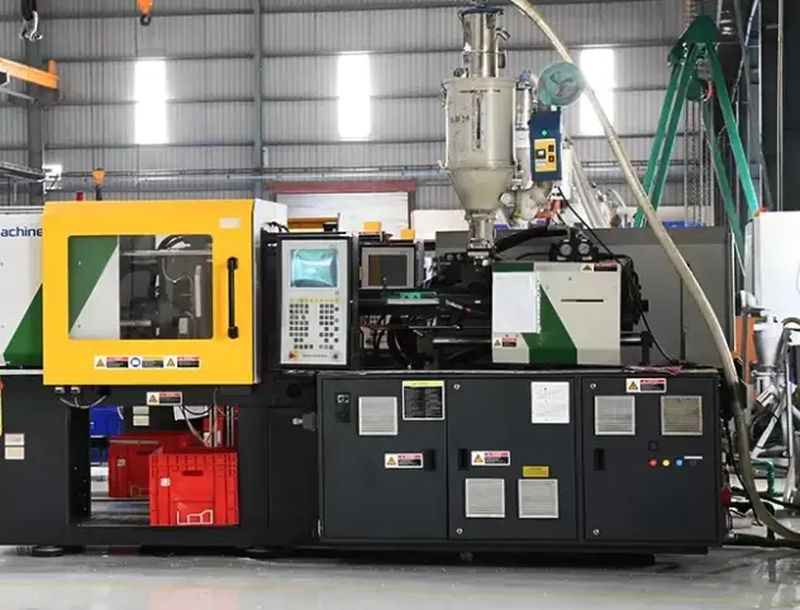
Plastic injection molding sits at the heart of modern manufacturing. It is the technology behind car components, phone housings, medical devices, appliance parts, and thousands of everyday items. None of this is possible without a professional plastic injection molding manufacturer — a specialist capable of turning polymer pellets into high-precision parts at scale.
Whether you are launching a new project, expanding production, or outsourcing to a new region, understanding how to choose the right manufacturer is critical. This guide explains what injection molding manufacturers do, the capabilities you should look for, and the advantages a dependable supplier can bring to your business.
What a Plastic Injection Molding Manufacturer Actually Does
A plastic injection molding manufacturer provides end-to-end services for producing plastic components. Their work goes far beyond simply operating machines. A complete manufacturing partner typically handles:
- Product and mold design assistance
Offering DFM guidance, tolerance analysis, and moldability optimization. - Custom mold fabrication
Using high-strength aluminum or steel to create durable injection molds. - Material consulting
Recommending the most suitable plastic—ABS, PP, PC, PA, PMMA, PEEK, and more—depending on strength, clarity, heat resistance, and regulatory needs. - Mass production
Running injection molding machines for small, medium, and high-volume orders. - Finishing processes
Including trimming, polishing, coating, printing, welding, and assembly. - Quality assurance
Inspecting parts, measuring dimensions, and performing functional tests.
A strong manufacturer keeps all major processes in-house, reducing lead times and improving overall consistency.
Why Choosing the Right Manufacturer Matters
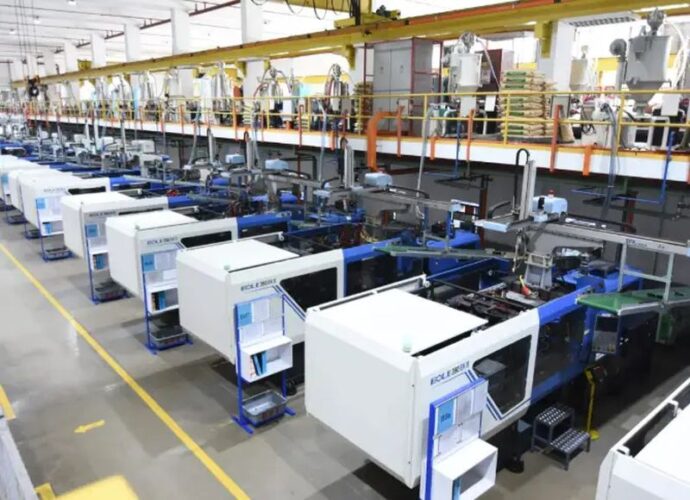
Injection molding requires precision, advanced machinery, and highly controlled production environments. A reliable manufacturer influences your project’s success in several ways:
1. Stable Quality Across Large Quantities
Injection molding is ideal for repeatable, high-volume production. Skilled manufacturers maintain strict tolerances and minimize variations, ensuring every batch meets specifications.
2. Lower Cost Per Unit
Once the mold is built, production becomes highly efficient. The right supplier optimizes cycle time, material use, and machine settings to keep costs competitive.
3. Faster Time-to-Market
Experienced manufacturers streamline design, tooling, and production, helping you launch products sooner.
4. Broad Material Options
Manufacturers provide access to advanced engineering plastics, eco-friendly materials, and additive-modified resins suited for specific applications.
5. Guaranteed Scalability
From prototype runs to multi-million-unit orders, a capable partner adapts production capacity as your business grows.
Key Capabilities of a Top-Tier Plastic Injection Molding Manufacturer
Not all manufacturers offer the same level of expertise or equipment. When evaluating potential partners, look for these core strengths:
1. Strong Engineering Department
Engineering determines whether your product will perform well and be economically viable. Look for companies offering:
- CAD and 3D modeling
- Mold flow simulation
- Tolerance analysis
- Structural optimization
- Rapid prototyping
These services prevent costly issues such as shrinkage, sink marks, warping, or short shots.
2. Advanced Mold-Making Facilities
High-quality molds are the foundation of high-quality parts. The best manufacturers use:
- CNC machining centers
- EDM and wire-cut machines
- Precision grinders
- 5-axis milling systems
A well-engineered mold ensures long service life, stable cycles, and smoother surface finishes.
3. Wide Variety of Injection Machines
Check whether the manufacturer operates machines across a suitable tonnage range—typically 30T to 1,500T . A diverse machine fleet allows production of both micro components and large, structural plastic parts.
4. Certified Quality Systems
Quality certifications demonstrate discipline and consistency. Ideally, your manufacturer should implement:
- ISO 9001 (general quality control)
- IATF 16949 (automotive requirements)
- ISO 13485 (medical equipment)
- ISO 14001 (environmental management)
Ensure they use systematic inspection procedures, including CMM testing, hardness checks, material verification, and in-process monitoring.
5. Specialized Production Capabilities
If you’re in a regulated industry, check for:
- Cleanroom molding (Class 100,000 or higher)
- FDA-approved materials
- ESD-safe workshops
- Biocompatible plastics
This is essential for medical, laboratory, electronics, and food-related products.
Industries That Rely on Plastic Injection Molding Manufacturers
Injection molding manufacturers serve a broad range of industries. Common applications include:
Automotive
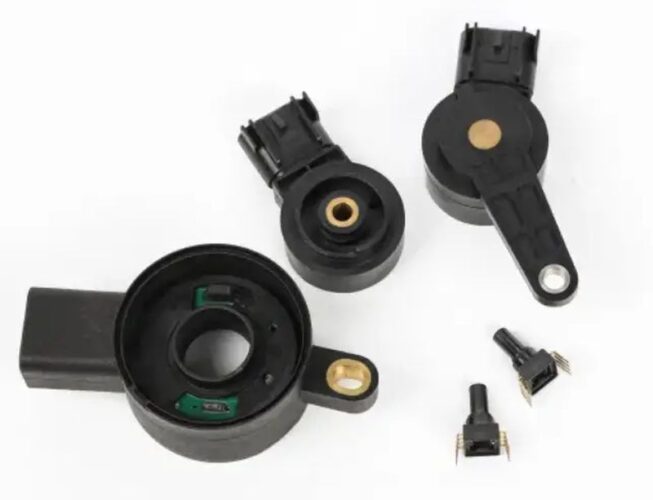
Interior trims, dashboard components, brackets, sensor housings, gears, and clips.
Electronics
Switches, casings, charging docks, connector housings, protective covers.
Medical & Healthcare
Syringe bodies, diagnostic equipment parts, tubes, trays, and disposable medical accessories.
Packaging
Cosmetic jars, food-grade containers, industrial lids, closures, caps, and trays.
Home & Consumer Products
Household accessories, storage items, sports equipment, and lifestyle products.
Industrial
Custom engineering components, tool handles, mechanical fittings, and safety accessories.
Manufacturers experienced across multiple sectors usually offer more robust engineering support and stricter quality discipline.
How to Choose the Best Plastic Injection Molding Manufacturer
Before partnering with a supplier, evaluate them using the following criteria:
1. Technical Expertise
Review their engineering knowledge, case studies, and part complexity they’ve handled previously.
2. Material Knowledge
A good manufacturer understands resin flow, shrinkage, chemical resistance, regulatory standards, and material substitutions.
3. Tooling Capability
Confirm mold life expectations, steel types (H13, S136, P20, NAK80), surface finish options, and maintenance systems.
4. Production Capacity
Inspect how many injection machines they operate, automation level (robots, conveyors), and shift scheduling.
5. Response Speed & Communication
Reliable suppliers provide:
- Fast quotes
- Clear timelines
- Weekly updates
- Transparent project documentation
6. Value-Added Processes
These reduce your need to outsource:
- Painting, powder coating, anodizing
- Logo printing
- Ultrasonic welding
- Kitting and assembly
- Custom packaging
7. Total Cost Structure
Consider overall value rather than just unit price. Look at:
- Tooling cost
- Material cost
- Cycle time efficiency
- Shipping and logistics
- Scrap rate and defect control
The manufacturer offering the lowest price is rarely the best long-term partner.
Advantages of Working with an Experienced Injection Molding Partner
Choosing a skilled manufacturer provides several long-term benefits:
- Reliable product quality and performance
- Fewer defects and lower return rates
- Predictable lead times
- Reduced development risks
- Access to specialized materials and technologies
- Cost savings over the entire product lifecycle
A strong partner acts as an extension of your engineering and production team.
Conclusion: Find a Plastic Injection Molding Manufacturer You Can Trust
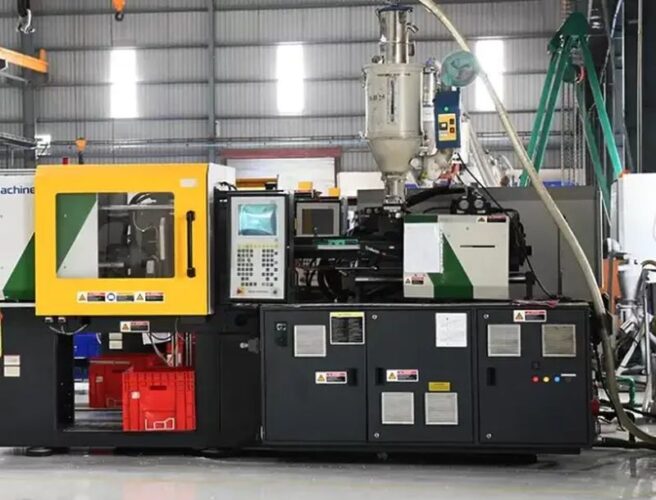
The right plastic injection molding factory is more than a supplier—they are a strategic partner who helps you build better products, avoid costly mistakes, and stay competitive in your industry.
With proper engineering support, advanced mold-making capacity, strict quality control, and flexible production systems, an experienced manufacturer ensures that every plastic component meets your requirements in performance, appearance, and durability.
Bu yazı en son 2025-12-13 01:44 tarihinde güncellenmiştir.